Norooz, meaning “new day” in Farsi, marks the Persian New Year and the arrival of spring. Celebrated for over 3,000 years, it’s more than just a holiday. It’s a time of renewal, reflection, and connection with loved ones.
Growing up, Norooz was always one of the most meaningful times of the year for me. From jumping over fire the week before, to setting the haft-seen, to spending the 13th day of the new year outdoors, each tradition carries deep cultural and symbolic meaning.
🔥 Chaharshanbeh Soori: Welcoming Light Over Darkness
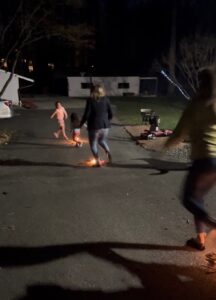
Chaharshanbeh Soori is celebrated on the last Wednesday before Norooz. It’s one of the most vibrant and symbolic traditions.
People gather outside and jump over small fires, saying:
“Zardi-ye man az to, sorkhi-ye to az man”
(Take my sickness and give me your warmth and energy)
This tradition represents letting go of the past year’s negativity and stepping into the new year with strength, health, and positivity.
It’s loud, lively, and full of energy.
🌿 Norooz: The Persian New Year
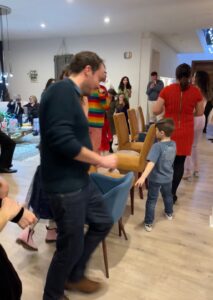
Norooz begins on the first day of spring, aligning with the spring equinox.
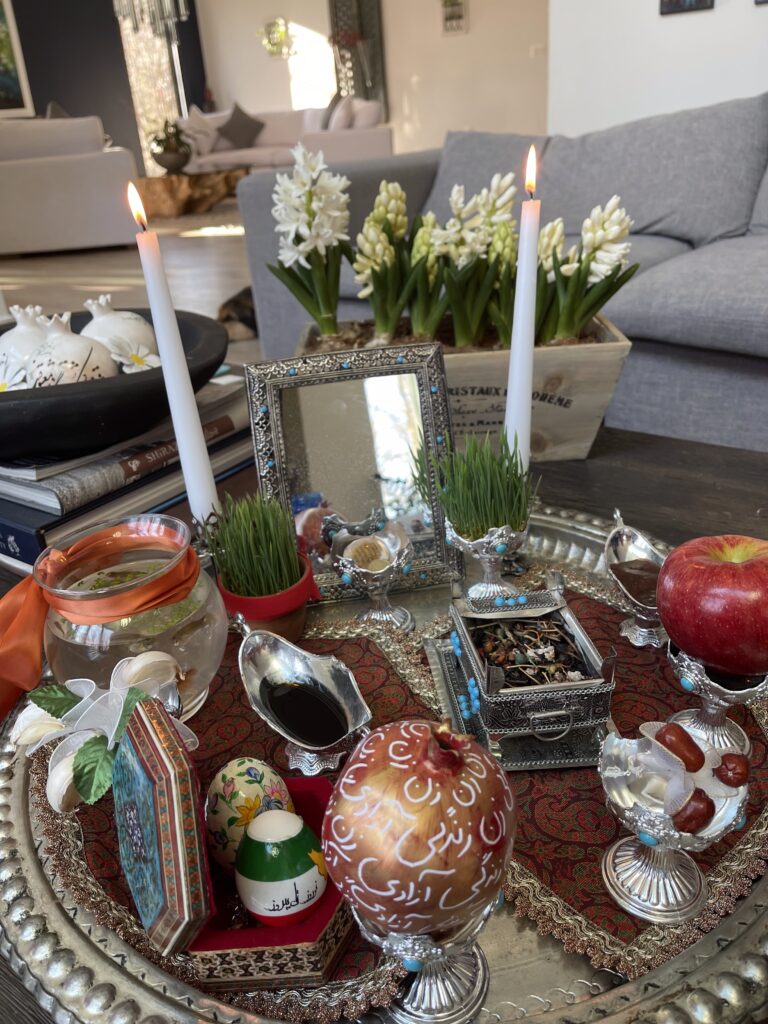
At the heart of Norooz is the Haft-Seen table, a beautifully arranged spread of seven symbolic items starting with the Persian letter “S.” Each item represents something meaningful:
-
Sabzeh (sprouts) – rebirth and growth
-
Seer (garlic) – health
-
Seeb (apple) – beauty
-
Senjed (dried fruit) – love
-
Samanu (sweet pudding) – strength and power
-
Serkeh (vinegar) – patience and wisdom
-
Sumac – sunrise and new beginnings
Other elements like a mirror, candles, painted eggs, and goldfish add layers of symbolism.
Norooz is also a time for:
-
Visiting family and friends
-
Wearing new clothes
-
Giving gifts and eidi (money to younger family members)
-
Sharing meals and celebrating together
It’s truly about fresh starts, not just externally, but internally as well.

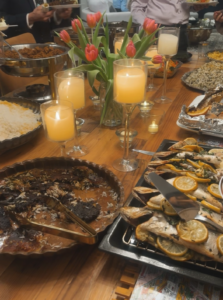
🌳 Sizdah Bedar (13 Bedar): Letting Go & Embracing Nature
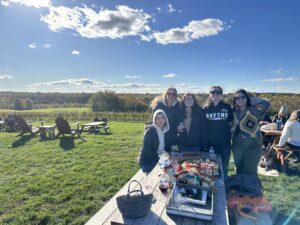
On the 13th day of Norooz, families head outdoors to celebrate Sizdah Bedar, which literally means “getting rid of the 13.”
It’s believed that staying inside on this day brings bad luck, so everyone gathers in parks or nature for picnics, games, and relaxation.
One of the most symbolic traditions is:
-
Throwing away the sabzeh (sprouted greens from the haft-seen) into running water
-
Tying knots in the sabzeh as a wish for love or good fortune
This day represents releasing negativity and fully stepping into the new year with clarity and positivity.
💚 Why These Traditions Matter
For me, Norooz is more than a cultural celebration. It’s a reminder to reset, reconnect, and appreciate both where I come from and where I’m going.
In a world that moves so fast, these traditions bring us back to what matters most: family, intention, and new beginnings.

AsI reflect on Norooz this year, it feels different. While this holiday represents renewal and new beginnings, my heart is heavy, for my people in Iran who are experiencing uncertainty and pain. From afar, I hold onto hope, for peace, for safety, and for a future where our country can step into a true new day, with freedom, strength, and leadership that reflects the beauty of its people.